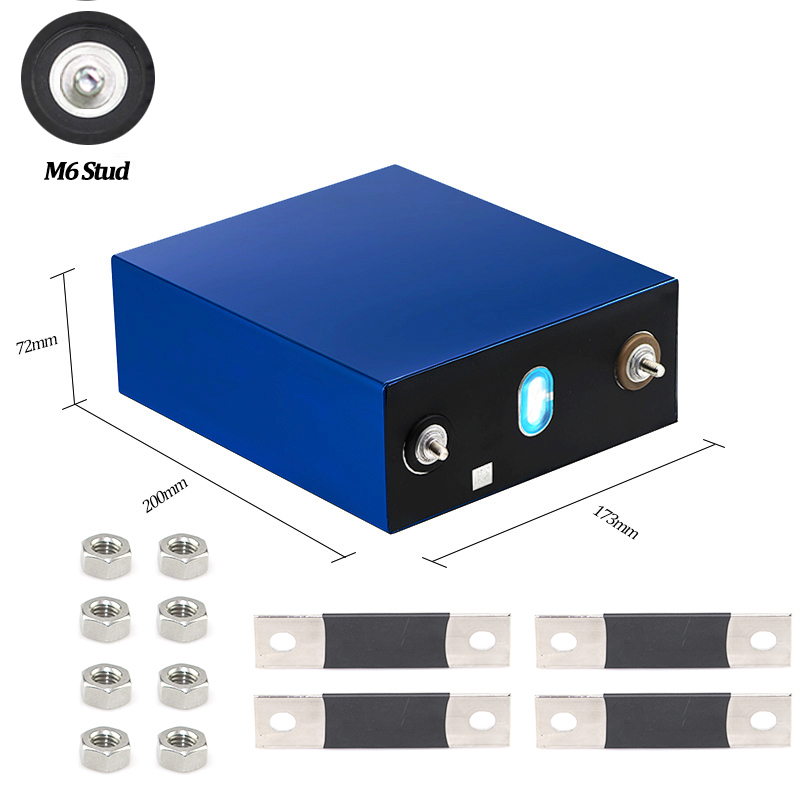
When sourcing high-quality battery solutions, I've found the CATL LF280K 3.2V 280Ah Prismatic LFP Cells stand out in the market. These cells are designed for long-lasting performance and reliable safety, making them an ideal choice for various applications. They come with CE Certification, ensuring compliance with rigorous European safety and environmental standards, which is crucial for manufacturers like us looking to maintain quality and trust in our products. With their impressive energy density and longevity, these prismatic cells can enhance the efficiency of your energy storage systems, electric vehicles, or renewable energy setups. Plus, CATL is a well-respected manufacturer known for their commitment to innovation and sustainability in battery technology. If you're serious about boosting your product line with dependable power solutions, consider integrating CATL LF280K cells. They’re not just a purchase; they’re an investment in quality and reliability for your clients.
In an era where energy storage solutions are pivotal to the transition towards sustainable energy, the introduction of advanced prismatic LFP cells has transformed the landscape. The LF280K 3.2V 280Ah prismatic LFP cells showcase exceptional capabilities, making them an optimal choice for a variety of applications, including electric vehicles, renewable energy storage systems, and more. These cells not only offer high energy density and long cycle life but also excel in safety, thermal stability, and environmental friendliness, aligning perfectly with the global push for greener technology. This innovative product is specifically designed to meet the increasing demand for reliable and efficient energy storage solutions. Their compact design and modularity provide flexibility for installation in diverse applications, allowing manufacturers and developers to harness the full potential of modern energy systems. With the global market for LFP batteries expanding rapidly, these prismatic cells represent a strategic investment for businesses looking to enhance their energy storage capacities while maintaining a commitment to sustainability. Moreover, the LF280K cells are engineered to withstand rigorous operational conditions, ensuring longevity and dependability. This reliability is essential for industries seeking to minimize downtime and maintain productivity. As the world shifts towards electrification and renewable energy integration, partnering with suppliers of cutting-edge LFP technology will be crucial for industries aiming to stay competitive in the ever-evolving market. Embracing these advancements not only supports operational efficiency but also contributes to a sustainable future.
| Attribute | Specification |
|---|---|
| Cell Type | Prismatic LFP |
| Nominal Voltage | 3.2V |
| Capacity | 280Ah |
| Energy Density | 150 Wh/kg |
| Cycle Life | 3000 cycles |
| Discharge Temperature Range | -20°C to 60°C |
| Charge Temperature Range | 0°C to 45°C |
| Dimensions (LxWxH) | 180 x 110 x 20 mm |
| Weight | 4.5 kg |