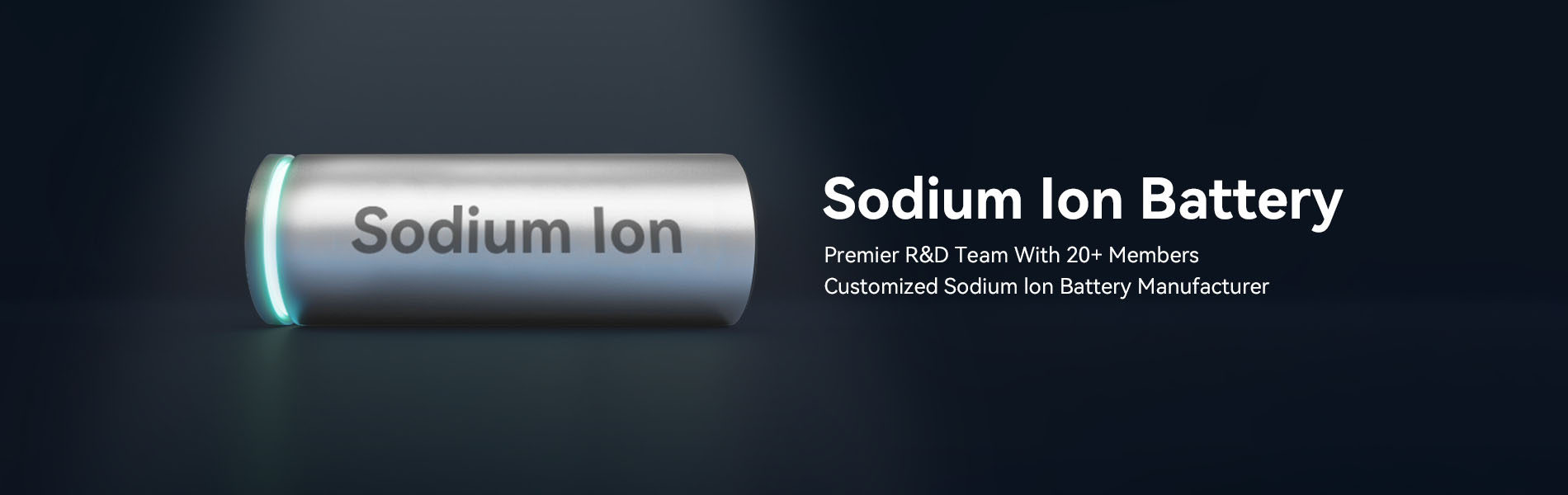
When it comes to Energy Storage Systems, our natrium ionen akku stands out for its superior performance and reliability. As a manufacturer, I’m proud to say our product combines high-quality materials and advanced technology, ensuring efficiency and durability. Whether you’re in renewable energy, grid stabilization, or electric vehicles, our energy storage solutions are designed to meet your specific needs. I know how critical it is to find a partner who values innovation and quality, and we strive to exceed those expectations. With our natrium ionen akku, you’re not just investing in a product; you’re investing in a long-term solution that enhances your business’s energy strategies. Our commitment to excellence means you get a robust system that optimizes performance while reducing costs. Let’s talk about how we can help you achieve your goals with our top-tier energy storage solutions. You won’t regret choosing a high-quality partner like us for your energy needs!
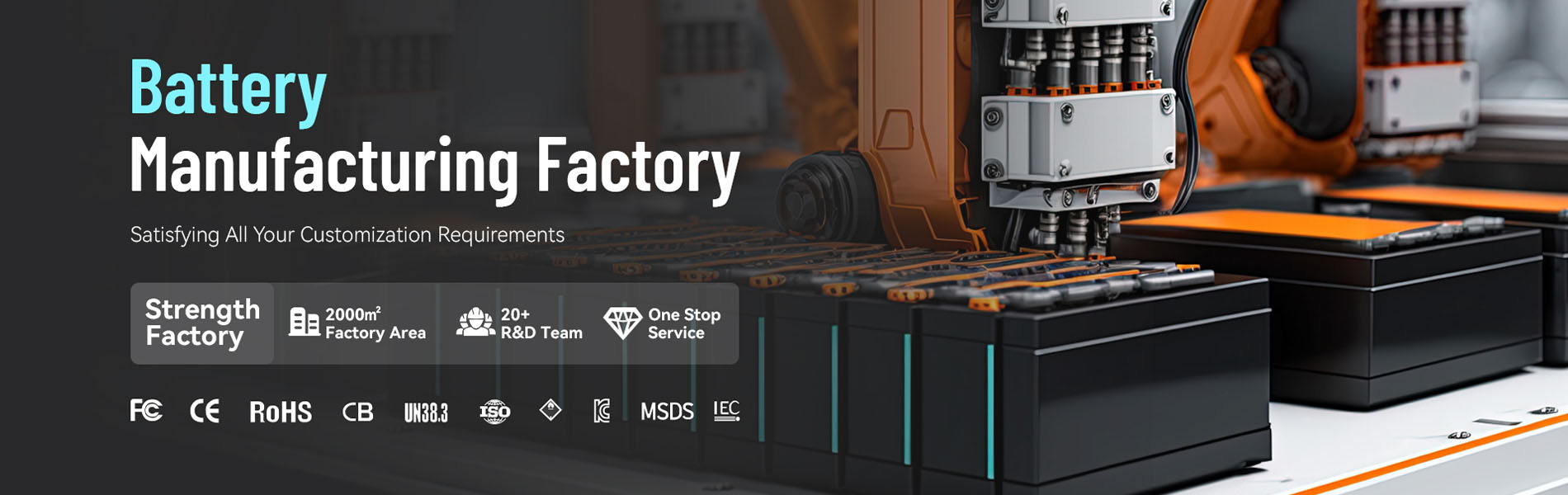
In today's rapidly evolving energy landscape, the demand for reliable energy storage solutions has never been greater. As global initiatives push for sustainable energy sources, the significance of energy storage systems continues to rise. Among the promising technologies, sodium-ion batteries are gaining attention due to their abundant materials and environmental benefits. These systems not only provide efficient energy management but also contribute to reducing reliance on lithium, which is subject to supply constraints and price volatility. As a trusted OEM partner, we specialize in delivering high-quality sodium-ion battery solutions designed to meet the diverse needs of industries worldwide. Our expertise in cutting-edge manufacturing processes ensures that every product we deliver aligns with international standards of performance and safety. Whether for commercial, industrial, or residential applications, our energy storage systems offer scalability and reliability, allowing clients to confidently transition to more sustainable energy practices. Partnering with us means benefiting from comprehensive support at every stage of the project. From initial consultation and design to production and after-sales service, our dedicated team works closely with clients to provide customized solutions that align with their operational goals. By choosing us as your OEM partner, you can unlock the potential of innovative energy storage technology, paving the way for a greener, more efficient future.
| Parameter | Value |
|---|---|
| Nominal Voltage | 3.6 V |
| Capacity | 50 Ah |
| Energy Density | 150 Wh/kg |
| Cycle Life | >3000 cycles |
| Operating Temperature | -20°C to 60°C |
| Charge Time | 4 hours |
| Discharge Rate | 1C |
| Safety Features | Thermal management, Overcharge protection |
| Applications | Renewable energy systems, Electric vehicles, Grid storage |