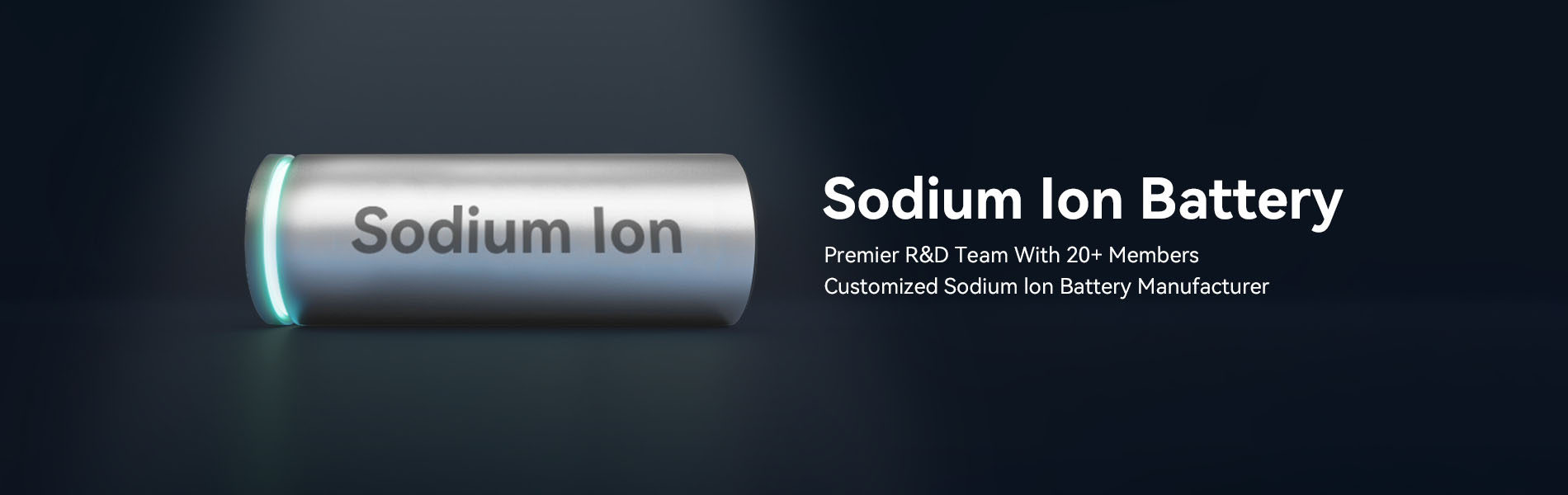
When it comes to powering your electric vehicles, I know choosing the right battery pack is crucial. Our Sodium-ion battery packs for car BMS provide exceptional performance, ensuring your vehicles run efficiently and reliably. As a high-quality manufacturer, I take pride in delivering cutting-edge technology that meets industry standards. With a focus on longevity and safety, these battery packs are designed to withstand various conditions, making them ideal for every kind of vehicle. What sets our products apart is not just their efficiency but also our commitment to sustainability. Sodium-ion technology is an eco-friendly alternative to traditional lithium-ion batteries, reducing environmental impact while still delivering high energy density. Partnering with me means you get a trusted supplier dedicated to supporting your business. Let’s not settle for less when we can elevate your car battery systems to new heights—our Sodium-ion battery packs are here to meet your needs.
Sodium-ion battery packs are rapidly emerging as a reliable and sustainable solution for electric vehicle battery management systems (BMS) in the current year. Unlike traditional lithium-ion batteries, sodium-ion batteries utilize abundant and inexpensive sodium resources, making them an attractive option for cost-effective and eco-friendly energy storage. Their growing popularity among automotive manufacturers is driven by advancements in chemistry and design, offering higher energy density and improved performance in various temperature conditions. This innovation not only enhances vehicle efficiency but also contributes to a greener future by reducing dependence on scarce lithium resources. As the global automotive market shifts towards electrification, procurement managers are increasingly seeking suppliers who can deliver high-quality sodium-ion battery packs that meet stringent performance and safety standards. These battery packs are designed to integrate seamlessly into existing BMS architectures, optimizing energy management and prolonging battery lifespan. For businesses looking to stay ahead in the competitive electric vehicle market, investing in sodium-ion technology represents a strategic move, ensuring both reliability and sustainability while catering to growing consumer demand for greener transportation solutions. The collaboration between manufacturers and suppliers in adopting sodium-ion technology signals a significant shift in the automotive industry landscape. Global buyers can explore partnerships with reputable suppliers to ensure access to cutting-edge battery technology that meets their specific needs. With ongoing research and development focusing on increasing the efficiency and scalability of sodium-ion batteries, stakeholders can rest assured that they are investing in a solution that will not only enhance their vehicle offerings but also support a sustainable future in transportation.
| Battery Type | Energy Density (Wh/kg) | Cycle Life (Cycles) | Temperature Range (°C) | Applications |
|---|---|---|---|---|
| Sodium-ion Standard | 120 | 2000 | -20 to 60 | Electric Vehicles, Grid Storage |
| Sodium-ion High Performance | 150 | 3000 | -10 to 70 | Performance Vehicles, Renewable Energy |
| Sodium-ion Economy | 100 | 1500 | -20 to 50 | Affordable EVs, Backup Systems |
| Sodium-ion Ultra | 180 | 4000 | -30 to 80 | High-end Electric Vehicles |